
Many test-takers focus on complex vocabulary or memorizing test formats, overlooking basic sentence rules. Strong grammar boosts performance in all four IELTS modules.
Improving your grammatical skills does more than just prevent you from losing points. It actively demonstrates your language proficiency to the examiners, unlocking the door to a higher band score. In the following sections, this guide will explore how grammar affects your IELTS results and provide actionable strategies to refine your English language skills. Let’s begin by understanding how grammar is evaluated throughout the IELTS test.
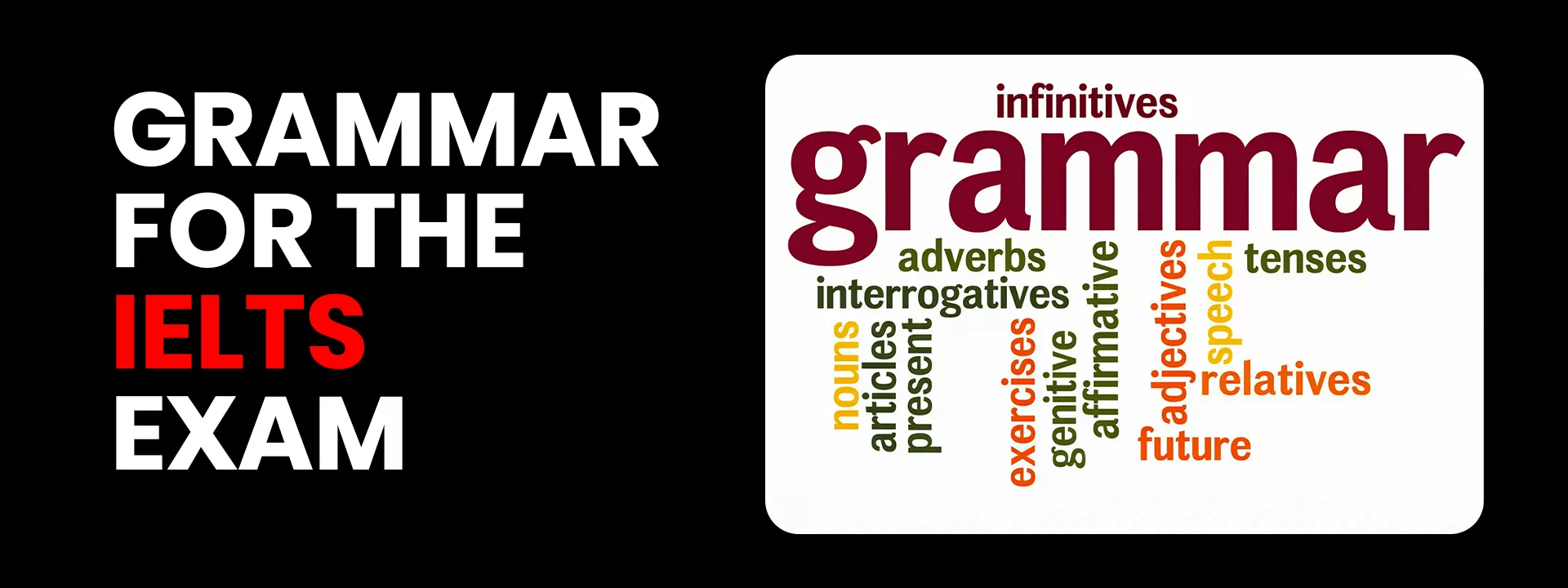
IELTS Grammar
While there is no dedicated "grammar" section on the IELTS exam, your grammatical proficiency is constantly being evaluated. As we transition to specific modules, keep in mind that the test measures your ability to communicate effectively, and effective communication relies on correct sentence structures. A solid grasp of grammar allows you to express your thoughts clearly, interpret complex reading passages, and follow fast-paced audio recordings
A solid command of grammar helps you explain ideas in Writing, speak more fluently in Speaking, understand complex structures in Reading, and follow meaning accurately in Listening.
Why Grammar Matters in IELTS? To understand its importance, let’s first take a closer look at how examiners
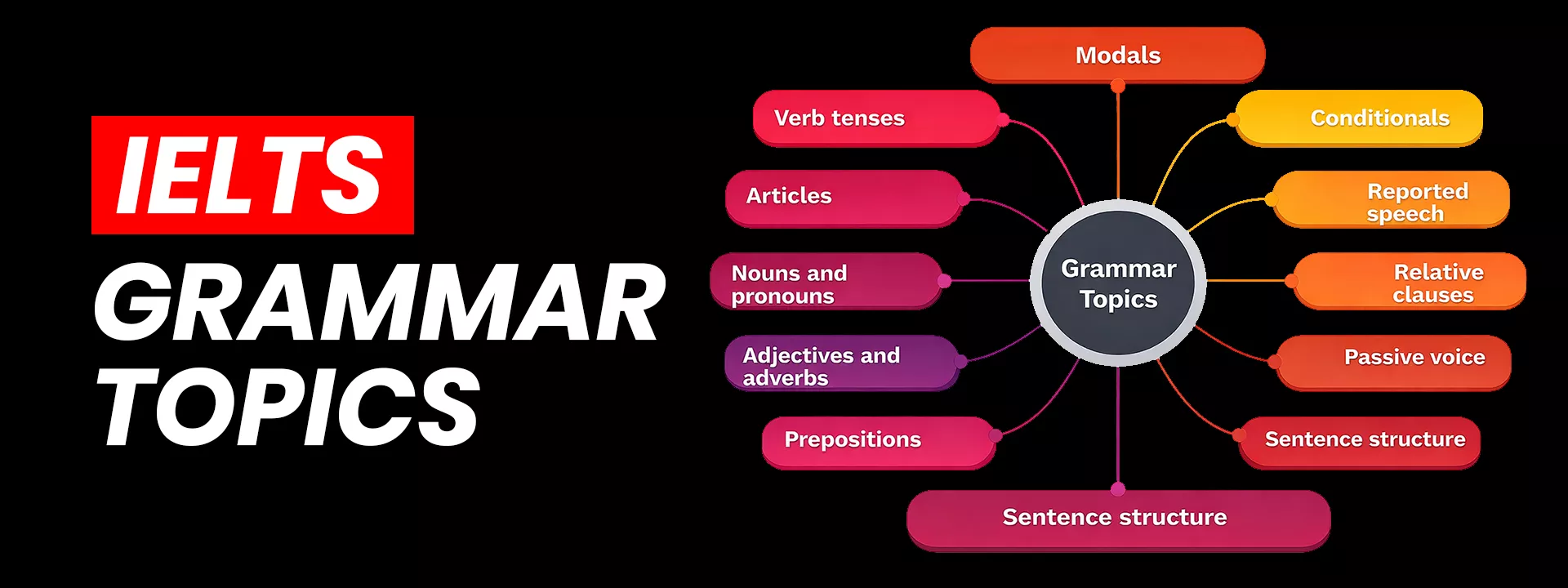
Grammar is assessed under Grammatical Range and Accuracy, which contributes significantly to your IELTS performance, especially in Speaking and Writing. Examiners pay attention not only to whether your sentences are correct, but also to how varied and controlled your grammar is.
Accuracy
Accuracy refers to your ability to produce error-free sentences. Examiners look for correct subject-verb agreement, proper use of tenses, and appropriate punctuation. Making frequent mistakes that disrupt communication will severely limit your score. Top bands (7-9) require only a few, infrequent slips.
Range
Using only simple sentences will not impress examiners. Grammatical range means using varied structures. Adding conditionals, relative clauses, and verb tenses shows higher competence.
Consistency
Consistency means maintaining strong grammatical control. Examiners value consistent use of complex structures—not occasional accuracy.
Clear Communication
Strong grammar makes your ideas easier to understand. It supports better organization, smoother speaking, and more confident performance in every part of the test.
Grammar Across the Four IELTS Modules
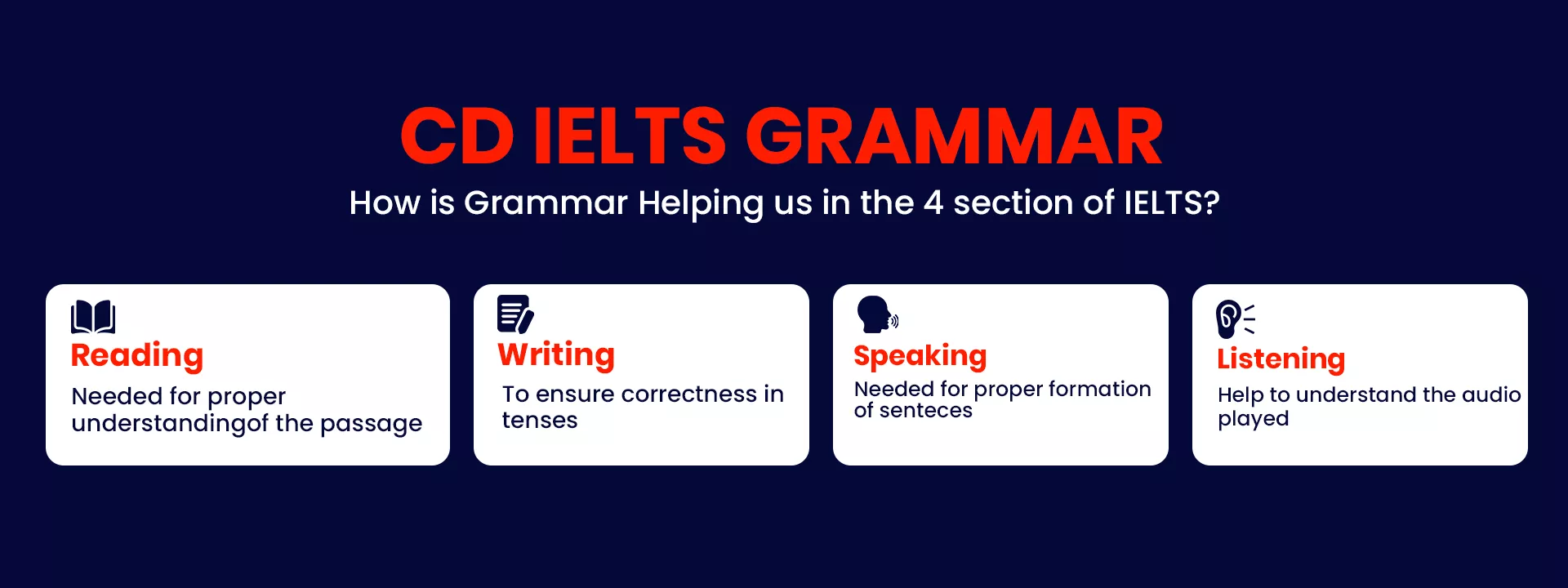
A strong grasp of grammar helps you understand IELTS reading passages. Quickly comprehending long sentences, identifying clauses, and seeing implied meanings is vital. Recognizing transitions and references speeds up answer finding. Without good grammar, texts become confusing.
Grammar in the IELTS Speaking Section
Speaking tests your communication. You need basic and advanced grammar to speak clearly. For example, Part 1 uses the present continuous, while Part 2 may need the past tense. Switching structures proves proficiency.
What Examiners Look For
Examiners expect natural, accurate grammar. They listen to how you link information with conjunctions and pay attention to verb forms. For hypothetical questions, use the second conditional correctly.
For example, when responding to hypothetical questions, using the second conditional correctly can show a stronger command of English grammar.
Common Grammar Mistakes in IELTS Speaking
- Tense Errors: Mixing up past and present tenses is a frequent issue. For example, saying "I visit my grandmother last week" instead of "I visited my grandmother last week."
- Subject-Verb Agreement: Using a singular verb with a plural subject. For example: "People are happy" instead of "People are happy."
- Missing Articles: Dropping "a," "an," or "the" before nouns.
- Incorrect Pronouns: Using the wrong gender pronoun (he instead of she) when describing a specific person.
Grammar in the IELTS Writing Section
Grammar is vital in Writing. Focus on controlling sentence structure, punctuation, and tenses. Address essay prompts precisely and practice integrating complex sentences to show proficiency.
Key Grammar Areas for Writing
Complex Sentences
Connect independent and dependent clauses to form sophisticated sentences.
Passive Voice
Use the passive voice when needed, especially in academic Task 1 reports.
Punctuation
Proper use of commas, periods, and semicolons prevents run-on sentences and confusing fragments.
Grammar in the IELTS Listening Section
Grammar matters in listening. For this module, pay attention to word forms—know when to expect a noun or adjective, and listen for plural endings. Many gap-fill questions depend on choosing appropriate grammar based on the context of audio recordings. Small errors like missing an "s" can cost marks.
How to Improve Your Grammar for IELTS
Master the Basics First
Start by reviewing foundational rules. Ensure you understand subject-verb agreement, verb tenses, countable and uncountable nouns, and prepositions. A strong foundation prevents minor errors that lower your score.
Learn Sentence Structures
Study how to build compound and complex sentences. Use coordinating (and, but, so) and subordinating conjunctions (because, although, if) in practice. Combine simple ideas into complex sentences for both writing and speaking.
Use a Grammar Notebook
Maintain a notebook dedicated to grammar rules and personal errors. Each time you make a mistake during writing or speaking practice, write down both the incorrect and corrected form. Review this notebook regularly to target and eliminate recurring issues.
Practice with IELTS Grammar Workbooks
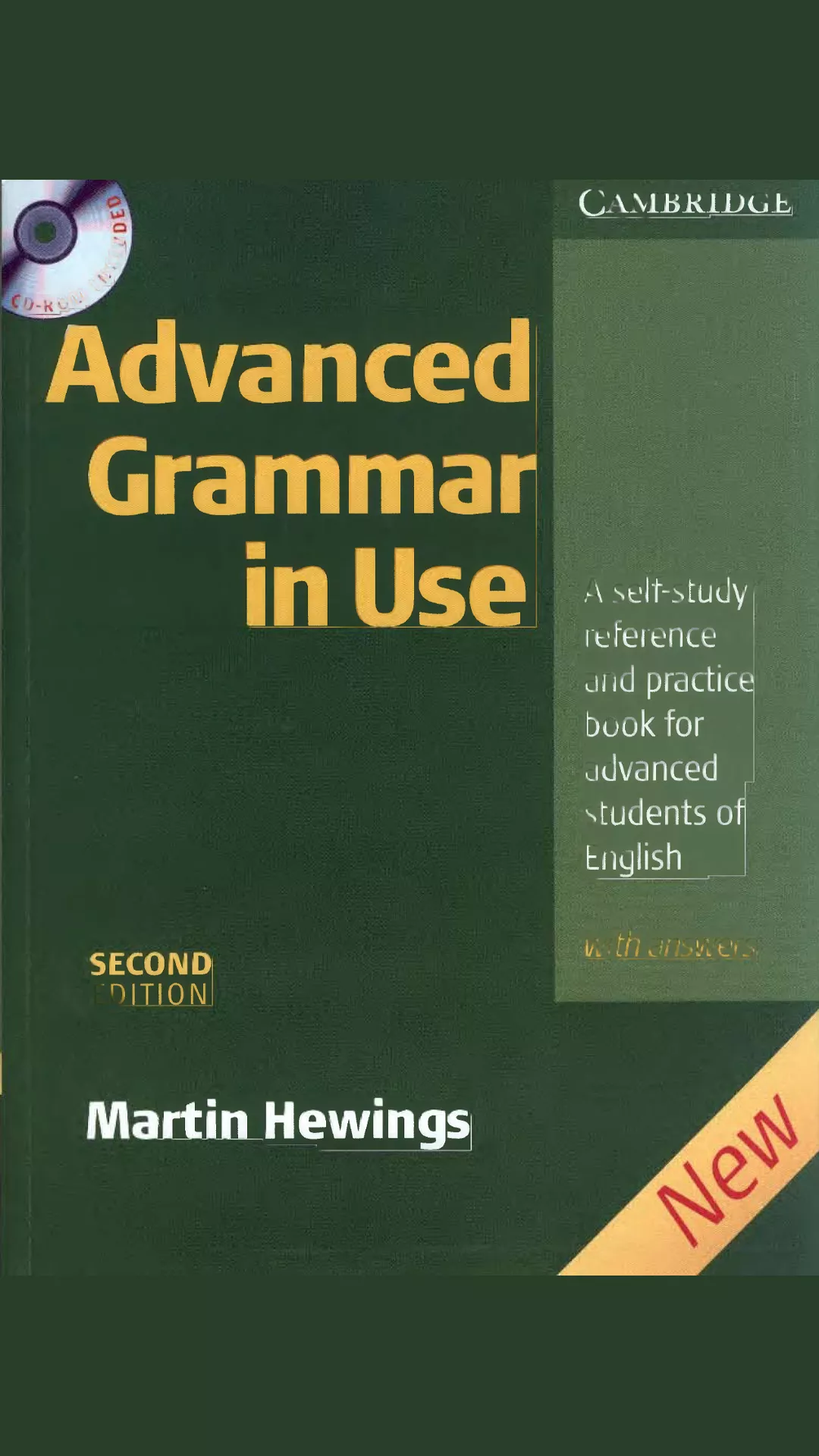
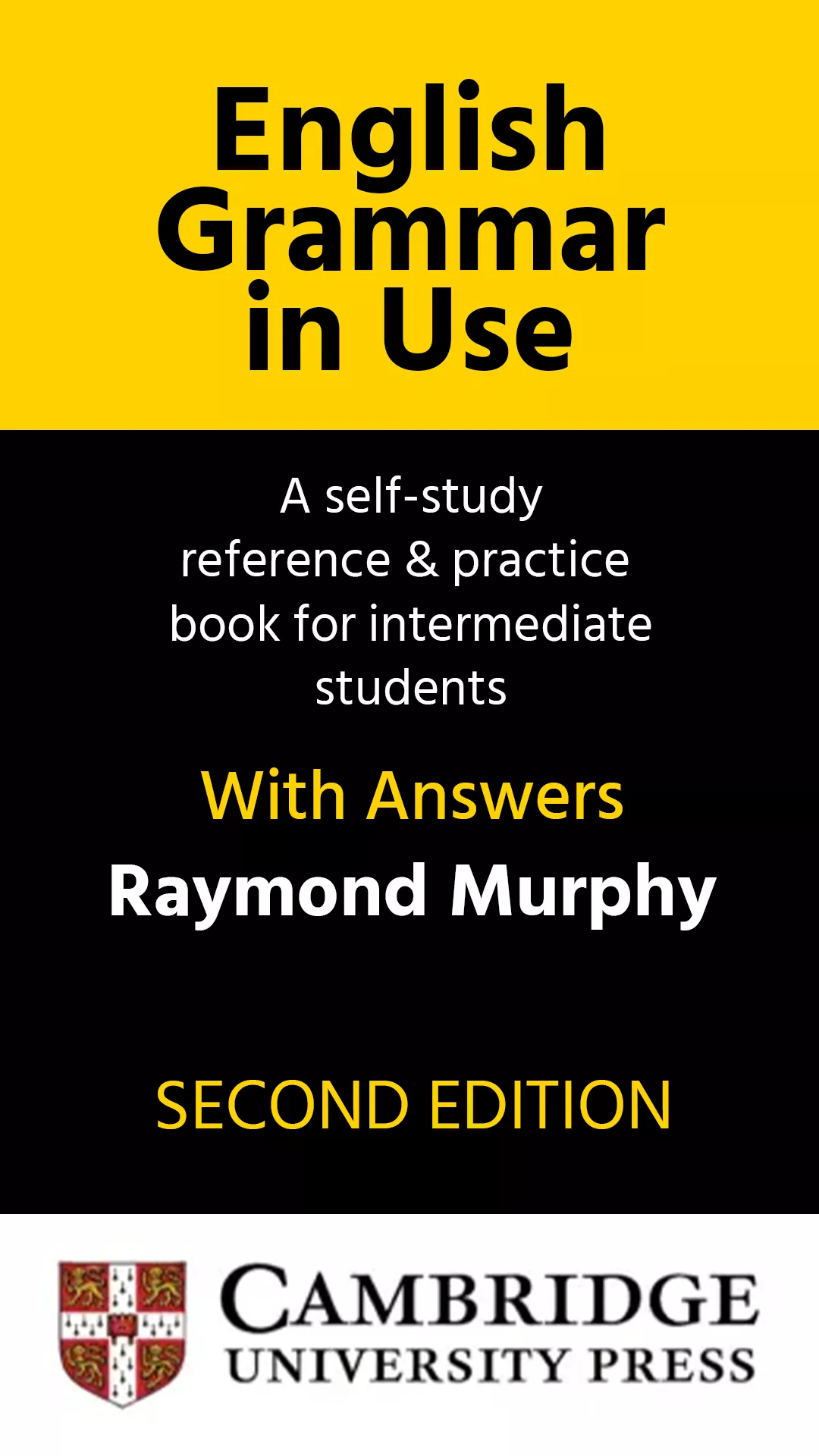
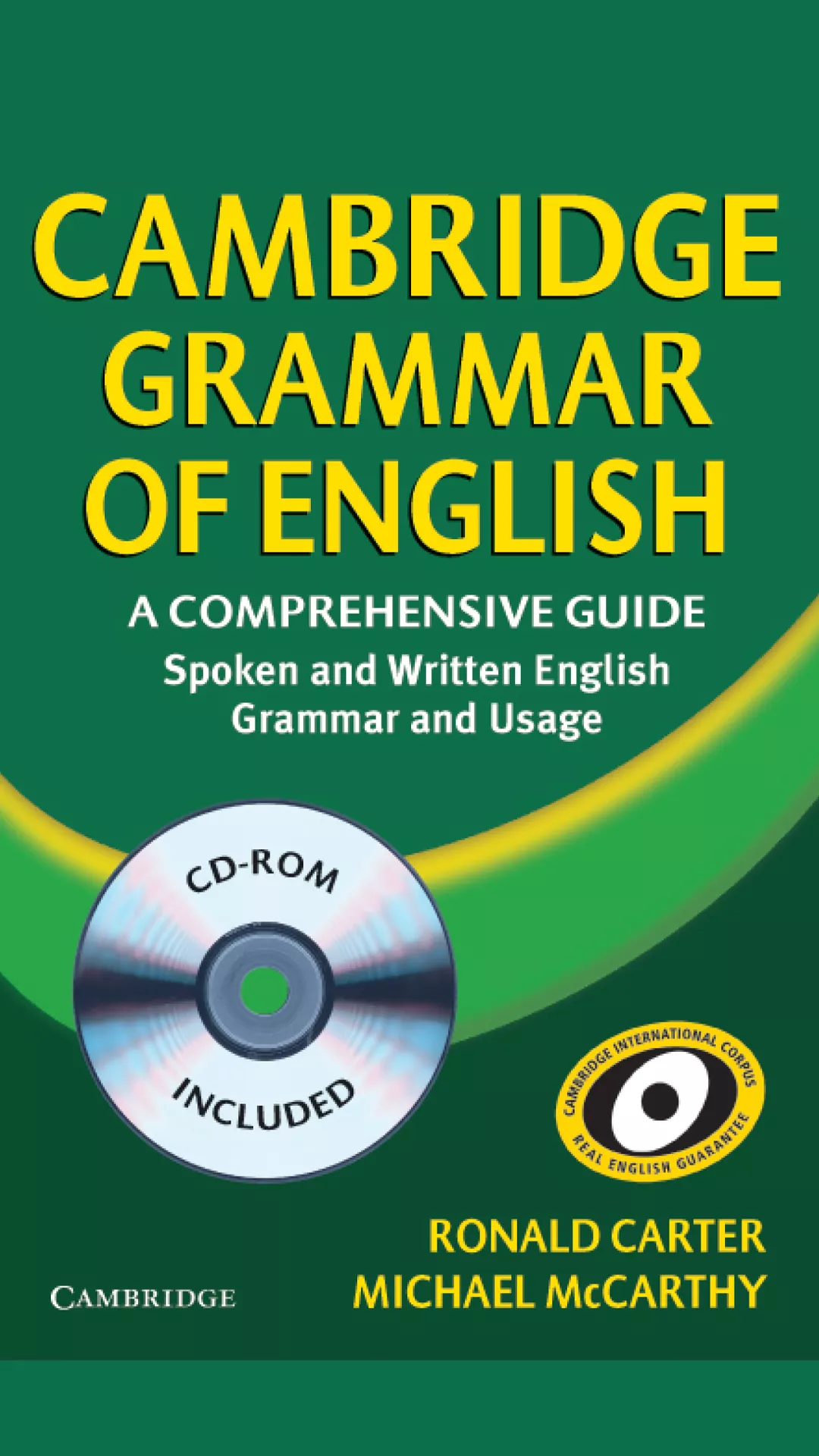
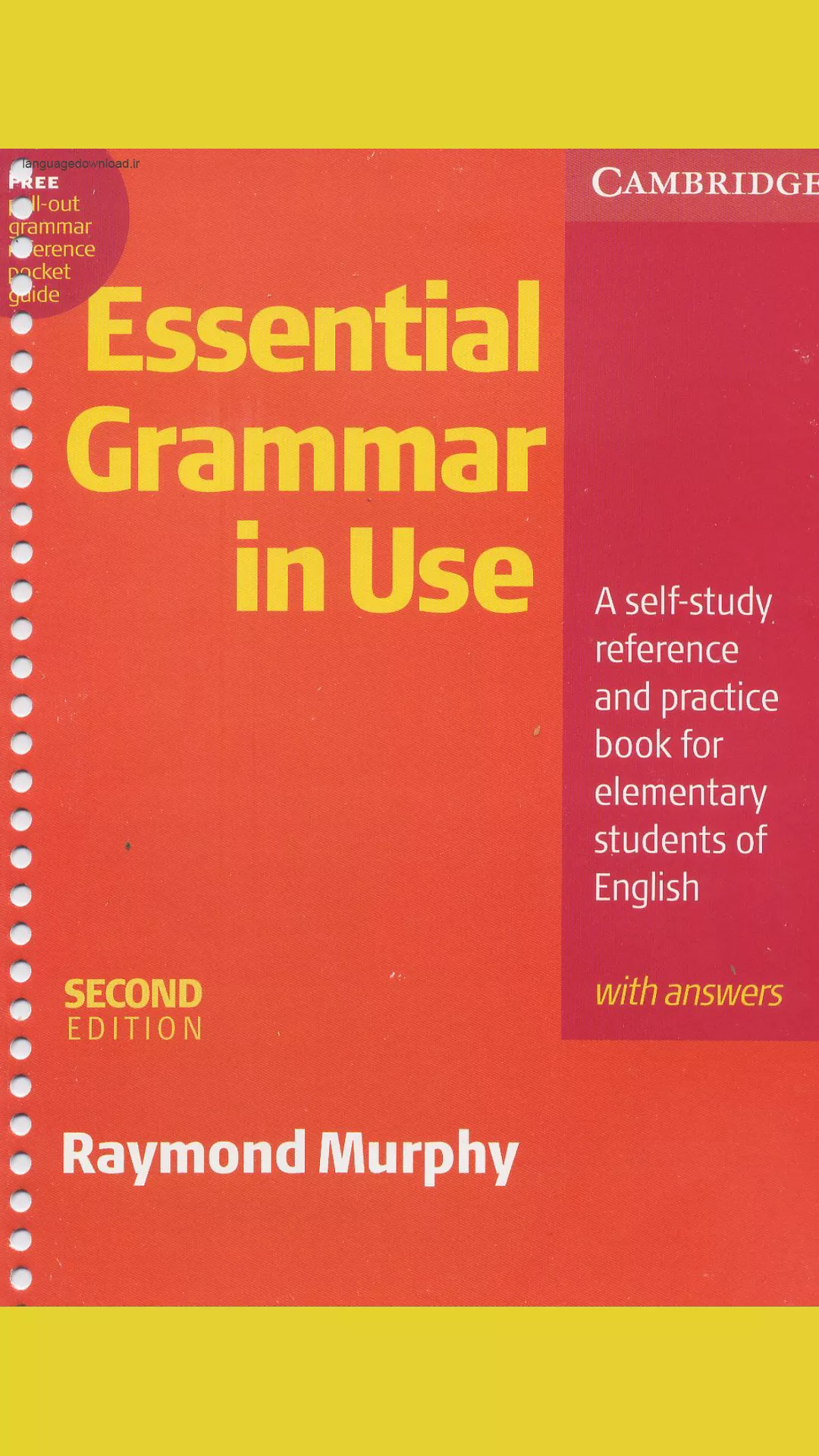
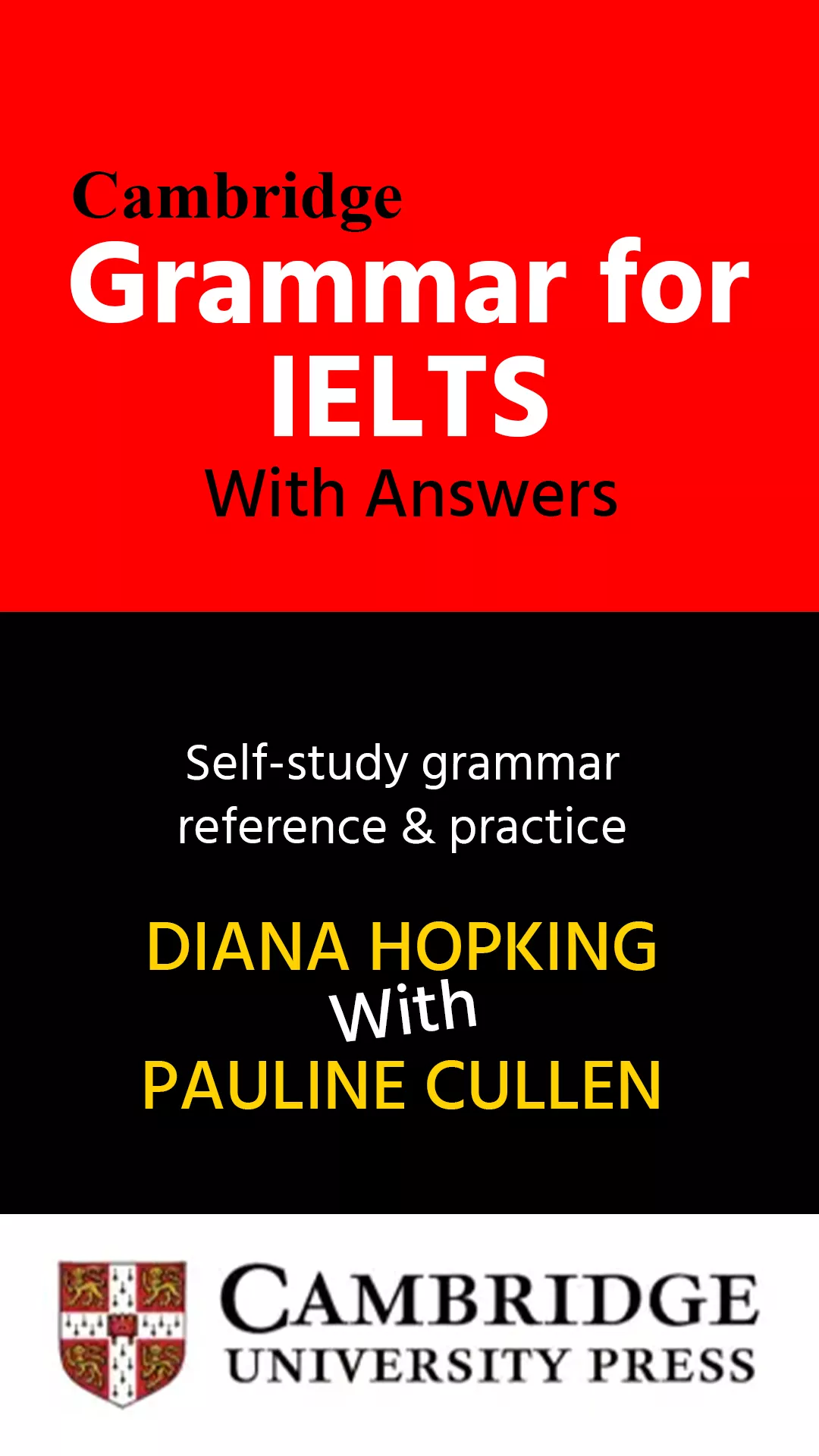
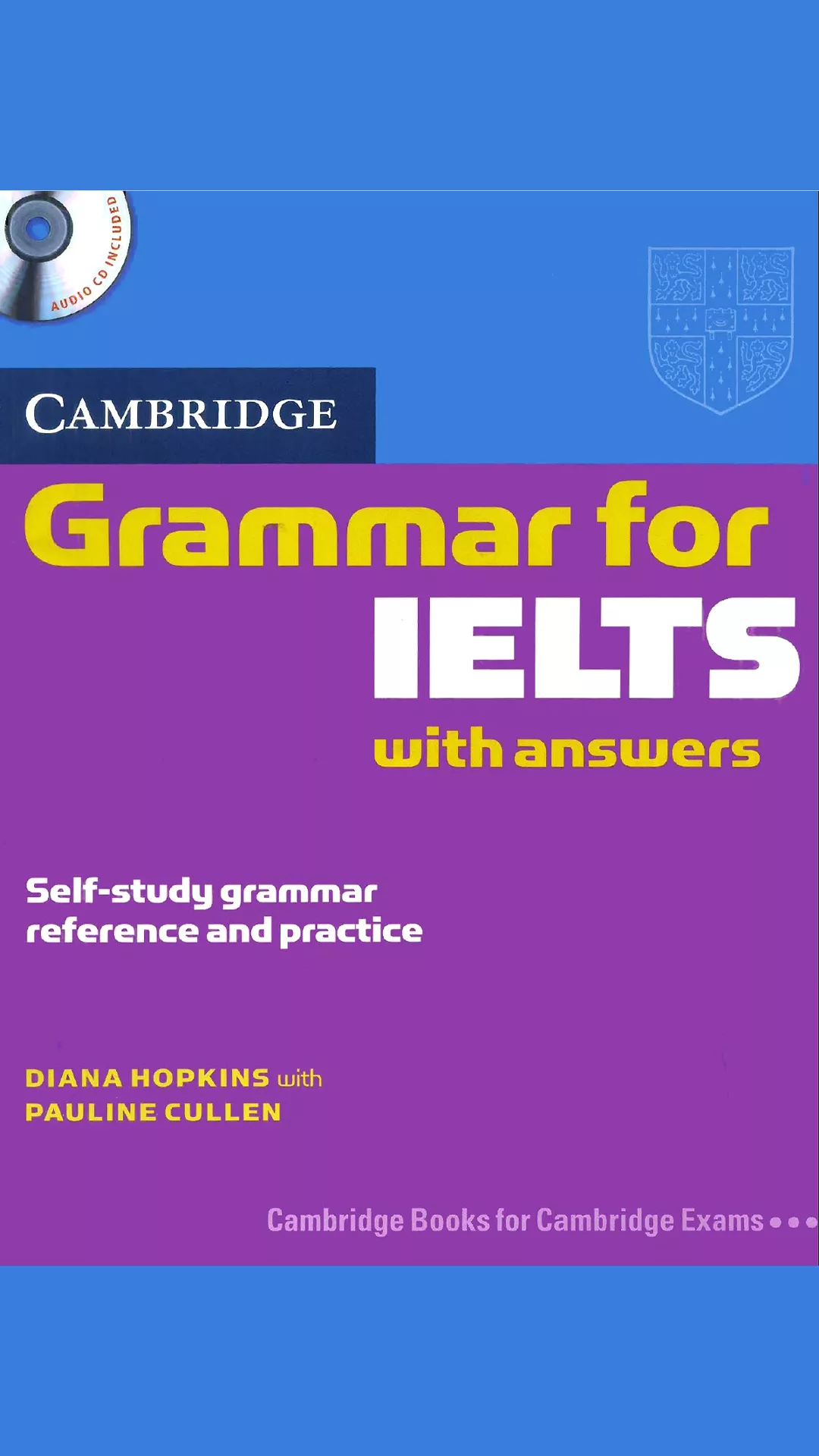
Use resources like Cambridge Grammar for IELTS. These exercises are tailored to the test and help you practice relevant rules.
Get Feedback from Experts
Seek feedback by joining an IELTS coaching program or hiring a qualified tutor. Regularly submit writing for review and practice speaking. An expert can spot patterns in your mistakes and give tailored corrections to help you progress.
Importance of Grammar in Boosting IELTS Band Score
Your grammatical proficiency directly dictates your ceiling in the IELTS exam. Moving from Band 6 to Band 7 in Writing or Speaking relies heavily on reducing errors and incorporating more complex sentence structures. Even in receptive skills (Reading and Listening), grammar serves as an essential tool for accurate comprehension and for formatting answers.
Final Thoughts: Don’t Let Grammar Cost You Marks
Achieving a high IELTS score demands action—don’t wait! Start using these grammar strategies today: review your writing, combine complex sentences, and seek targeted feedback. Take control of your study plan and commit fully. The sooner you start, the sooner grammar can transform your IELTS success—act now!
Frequently Asked Questions
Is grammar explicitly tested in IELTS?
There is no separate grammar paper, but your grammar is assessed in all four sections. In Speaking and Writing, Grammatical Range and Accuracy make up 25% of your final score.
What are the most common grammatical errors in IELTS?
Common mistakes include incorrect verb tenses, subject-verb agreement issues, improper use of prepositions, and misusing countable and uncountable nouns.
Can I get a Band 7 with a few grammar mistakes?
Yes. Band 7 means frequent error-free sentences, with minor slips allowed if they do not impede communication.
How do I improve my grammatical range?
Practice writing and speaking with varied sentence structures. Use conditionals, relative clauses, and tenses daily.
 Google